How to Tell if an RO Membrane Is Bad?
As an essential component of a reverse osmosis (RO) system, the membrane plays a pivotal role in ensuring the purity of your drinking water. Over time, however, this membrane can deteriorate, leading to a decline in water quality.
If you suspect that the RO membrane is failing, it is essential to troubleshoot the system and, if necessary, perform a water quality test to confirm the issue. In many cases, replacing the membrane will restore the system's performance and guarantee the production of high-quality purified water.
Understanding the RO Membrane
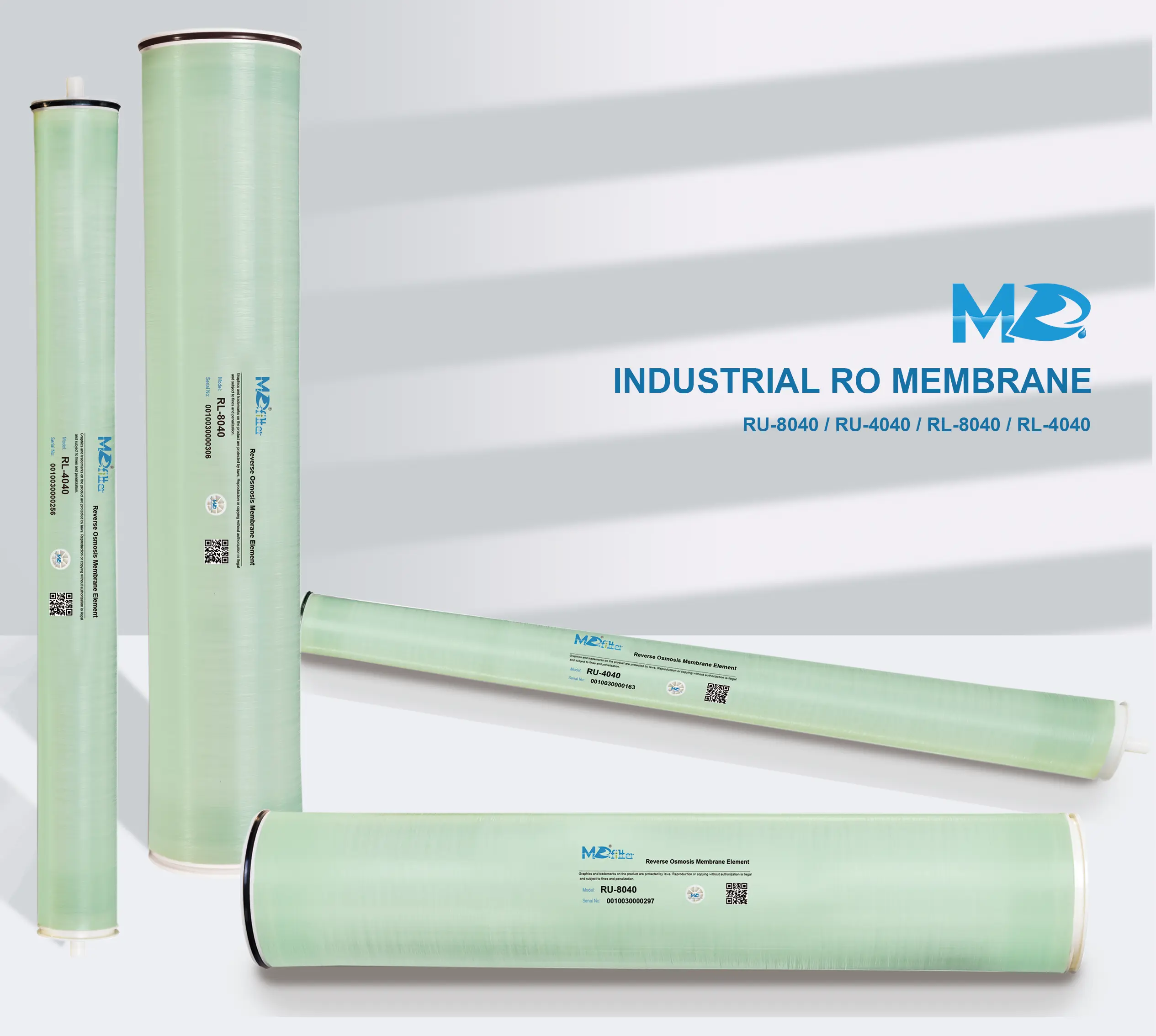
Reverse Osmosis (RO) is a widely utilized water purification technology that relies on a semipermeable membrane to remove impurities from water. The RO membrane acts as a barrier, allowing only water molecules to pass through while blocking contaminants such as salts, minerals, and microorganisms. This process produces clean, purified water suitable for various applications, including drinking water, industrial processes, and pharmaceutical manufacturing.
· Principle of Reverse Osmosis: Osmosis is the natural process where water passes through a semipermeable membrane from a less concentrated solution to a more concentrated one to equalize the concentrations on both sides. Reverse osmosis reverses this process by applying pressure to the more concentrated side, forcing water molecules through the membrane while leaving impurities behind.
· Structure of RO Membranes: RO membranes are typically made of thin-film composite (TFC) material, consisting of multiple layers designed to allow water molecules to pass while blocking contaminants such as dissolved salts, minerals, bacteria, and viruses.
· Maintenance and Replacement: Proper maintenance, including regular cleaning and sanitization of the RO system, is essential to ensure optimal performance and longevity. Depending on water quality and usage, RO membranes typically need to be replaced every 1 to 3 years.
Signs of a Failing RO Membrane
1. Decrease in Water Production
One of the primary indicators of a failing RO membrane is a noticeable decrease in water production. If you have noticed a significant reduction in the amount of filtered water produced by your RO system, it could be a sign that the membrane is clogged or damaged.
2. Drop in Water Quality
Another telltale sign is a decline in the quality of the filtered water. If your water tastes or smells different than usual, or if you have noticed an increase in contaminants, it is likely that the membrane is no longer effectively removing impurities. This compromises the safety and taste of your drinking water.
3. Persistent Fouling or Scaling
Fouling occurs when contaminants, such as bacteria, algae, or organic matter, accumulate on the surface of the membrane. Scaling occurs when minerals, such as calcium or magnesium, precipitate out of the water and form deposits. If you notice persistent fouling or scaling despite regular maintenance, the membrane may be nearing the end of its lifespan.
4. Changes in Pressure
Changes in the operating pressure of your RO system can indicate a problem. A significant increase in pressure may suggest that the membrane is becoming clogged. Conversely, a decrease in pressure may indicate that the membrane is damaged or degraded.
5. Visible Damage
Assess the membrane for obvious signs of physical harm, such as tears, cracks, or discoloration. Physical damage can disable its effectiveness and requires immediate replacement.
Steps to Confirm Membrane Failure
If you suspect that your RO membrane is failing based on the aforementioned signs, there are several steps you can take to confirm the diagnosis:
· Perform a TDS Test: Total Dissolved Solids (TDS) testing is a simple yet effective method for assessing water quality. If TDS levels in the permeate (purified water) are significantly high compared to the feed water, it indicates membrane failure.
· Conduct a Pressure Test: Measuring the inlet and outlet pressures of your RO system helps assess membrane performance. A significant disparity between the two pressure readings may indicate that the membrane is damaged or deteriorating.
· Visual Inspection: Physically removing and inspecting the RO membrane for signs of damage, fouling, or scaling can provide valuable insights into its condition.
Conclusion
In conclusion, recognizing the signs of a failing RO membrane is essential for maintaining the efficiency and effectiveness of your filtration system. By monitoring water production, quality, pressure, and conducting diagnostic tests, you can identify membrane issues early on and take appropriate action. Regular maintenance and timely replacement of the RO membrane are key to ensuring clean, safe drinking water.
Need a reliable replacement membrane?
If it is time to replace your membrane, Xi'an Membrane Desalination International Co., Ltd. provides high-quality RO membranes for residential, commercial, and industrial systems. Contact us at info@md-desalination.com for expert advice or to request free samples.
References
1. Water Quality Association. https://www.wqa.org/
2. U.S. Environmental Protection Agency. https://www.epa.gov/
3. Pure Water Gazette. http://www.purewatergazette.net/