Is RO better than UV?
Is RO Better Than UV?
In the world of water purification, the debate over which method reigns supreme has long been a topic of discussion. Reverse osmosis (RO) and ultraviolet (UV) purification are two well-known technologies used to ensure the water we consume is free from harmful contaminants. Each method has its strengths and weaknesses, making it essential to understand their differences to decide which is better suited for your specific needs.
Whether RO or UV purification is superior depends on the specific requirements of the situation and the contaminants present in the water.
Key Differences at a Glance
· Contaminant Removal: RO is highly effective at removing a wide range of contaminants, including dissolved solids, bacteria, viruses, and organic compounds. On the other hand, UV purification is primarily effective against bacteria, viruses, and some protozoa, but it does not remove dissolved solids or other non-biological contaminants.
· Water Quality: RO typically produces water of higher quality compared to UV purification because it removes a broader range of contaminants. However, UV treatment is frequently used as a final disinfection step in conjunction with other purification methods, including RO, to ensure microbiological safety.
· Maintenance: UV systems generally require less upkeep than RO systems. UV lamps require intermittent replacement, typically annually, and they do not require standard cleaning or membrane replacement like RO systems.
· Energy Consumption: UV purification consumes less energy compared to RO, which requires significant energy input to operate the pump that generates the pressure required for filtration.
· Wastewater Generation: RO systems produce wastewater as a byproduct of the filtration process, while UV systems do not generate wastewater.
· Cost: RO systems typically have higher upfront costs and ongoing maintenance costs compared to UV systems. However, the cost of operation and maintenance over the long term can vary depending on factors such as water quality, system size, and local energy prices.
In summary, RO and UV purification each have their advantages and limitations. RO is more effective at removing a broader range of contaminants but requires more maintenance and energy. UV is effective for disinfection but does not remove non-biological contaminants. The choice between the two depends on factors such as the specific contaminants present in the water, desired water quality, maintenance requirements, and cost considerations. In some cases, combining both RO and UV purification may provide the best overall water treatment solution.
Understanding Reverse Osmosis (RO)
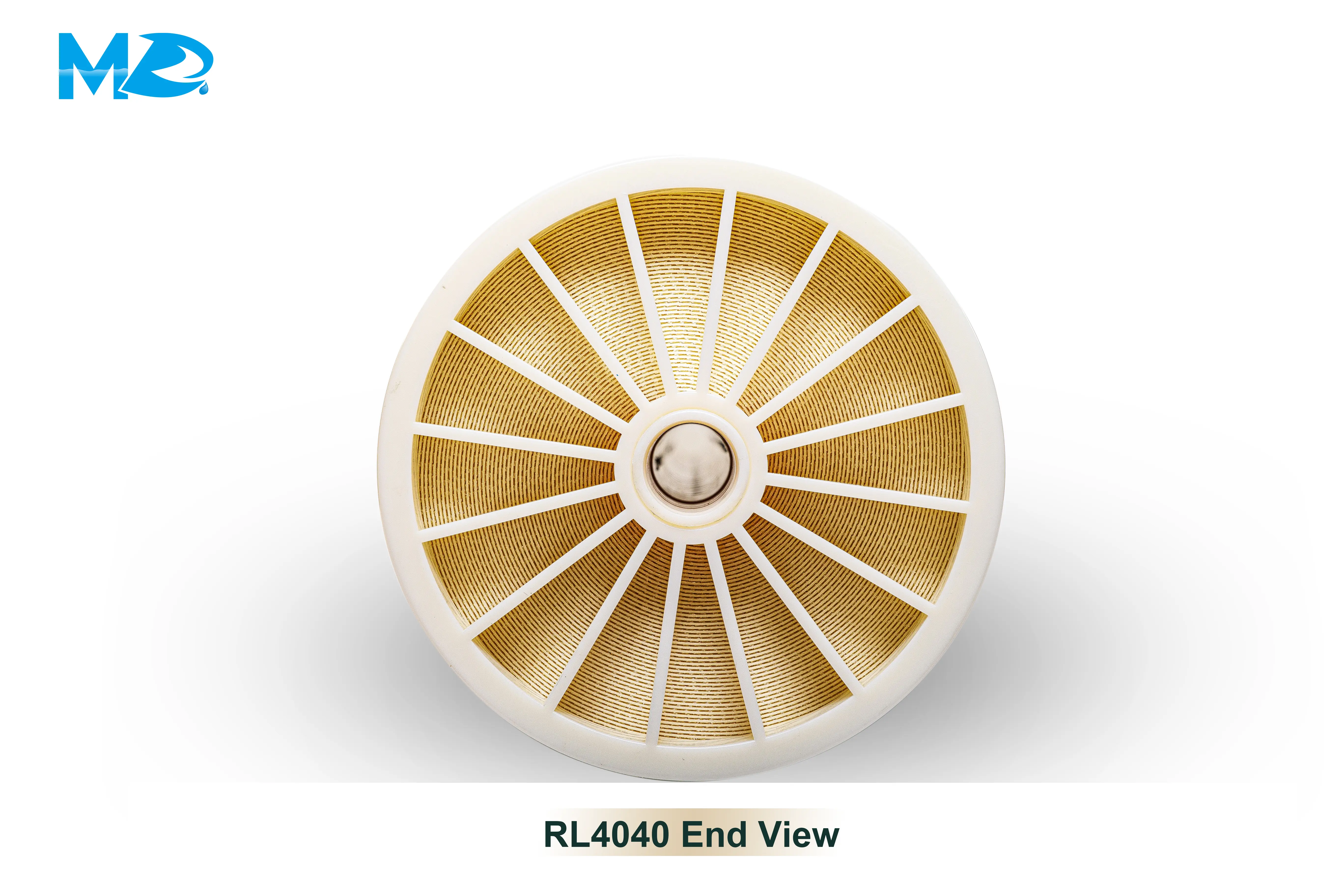
Reverse osmosis is a water purification process that utilizes a semipermeable membrane to remove impurities from water molecules. This process involves applying pressure to push water through the membrane, leaving behind contaminants such as bacteria, viruses, and dissolved solids. RO systems are highly effective at removing a wide range of pollutants, including heavy metals, chlorine, and pesticides, providing clean and safe drinking water.
RO systems are commonly used in both residential and commercial settings due to their ability to produce high-quality drinking water. The process removes up to 99% of contaminants, making it one of the most efficient methods of water purification available today. Additionally, RO systems are relatively low maintenance, requiring periodic filter replacements to ensure optimal performance.
The Advantages of Ultraviolet (UV) Purification
Ultraviolet purification, on the other hand, utilizes UV light to disinfect water by deactivating harmful microorganisms such as bacteria, viruses, and protozoa. UV purification systems expose water to UV light, which damages the genetic material of microorganisms, rendering them unable to reproduce and causing them to die off. Unlike RO systems, UV purification does not remove dissolved solids or chemical contaminants from water.
UV purification is particularly effective at destroying waterborne pathogens, making it an excellent choice for disinfecting water from microbiological contamination. It is often used in conjunction with other water treatment methods to provide comprehensive purification. UV systems are also environmentally friendly, as they do not require the use of chemicals and do not produce harmful byproducts.
Comparing Effectiveness and Efficiency
When comparing RO and UV purification methods, it is essential to consider their effectiveness and efficiency in removing specific contaminants. RO systems excel at removing a wide range of impurities, including dissolved solids and chemical contaminants, making them suitable for areas with poor water quality. However, they are less effective against certain types of bacteria and viruses, which may require additional disinfection measures.
On the other hand, UV purification is highly effective at destroying waterborne pathogens but does not remove other impurities from water. This makes UV systems best suited for use in conjunction with other filtration methods, such as carbon filtration, to provide comprehensive purification. Additionally, UV purification is more energy-efficient than RO systems, requiring minimal electricity to operate.
Considerations for Choosing the Right System
When deciding between RO and UV purification systems, several factors should be taken into account. The quality of the water source, the specific contaminants present, and the desired level of purification all play a role in determining which method is best suited for your needs. In areas with high levels of dissolved solids or chemical contaminants, an RO system may be the preferred choice for comprehensive purification.
Alternatively, in areas where microbiological contamination is the primary concern, a UV purification system may be more appropriate. It is also worth considering factors such as maintenance requirements, energy consumption, and initial investment costs when selecting a water purification system.
Conclusion: Selecting the Right Water Purification Method
In conclusion, both RO and UV purification methods offer effective solutions for ensuring the safety and quality of drinking water. While RO systems excel at removing a wide range of contaminants, including dissolved solids and chemicals, UV purification is highly effective at disinfecting water from harmful microorganisms. Ultimately, the choice between the two methods depends on the specific needs and preferences of the user, as well as the quality of the water source.
Regardless of the method chosen, investing in a reliable water purification system is essential for safeguarding against waterborne contaminants and ensuring access to clean and safe drinking water.
Have questions about your specific water purification needs?
At Xi'an Membrane Desalination International Co., Ltd., we provide tailored membrane solutions for diverse applications. Contact us at info@md-desalination.com to discuss your project or explore our product range.
References
1. U.S. Environmental Protection Agency. "Reverse Osmosis (RO) Water Filtration." https://www.epa.gov/sites/production/files/2014-12/documents/2005_09_14_faq_fs_healthseries_ro.pdf
2. World Health Organization. "Ultraviolet (UV) Disinfection for Safe Drinking Water." https://www.who.int/water_sanitation_health/dwq/ultraviolet.pdf