What Are the Materials Used in Reverse Osmosis Semipermeable Membranes
Reverse osmosis (RO) semipermeable membranes are critical components that determine the efficiency and effectiveness of RO systems in purifying water. These membranes are typically constructed using advanced materials that exhibit specific properties conducive to separating water from dissolved salts and other contaminants. The primary materials used in RO semipermeable membranes include the following.
Polyamide Thin-Film Composite (TFC): This is the most common material used in modern RO membranes. Polyamide TFC membranes consist of multiple layers, including a thin, dense polyamide barrier layer supported by a porous substrate such as polysulfone or polyethersulfone. The polyamide layer is responsible for the selective permeability of the membrane, allowing water molecules to pass through while rejecting dissolved salts and other impurities based on size and charge.
Cellulose Triacetate (CTA): CTA membranes were historically used in RO systems and are still employed in certain applications today. These membranes are composed of cellulose acetate and offer higher tolerance for chlorine and biofouling compared to polyamide membranes. However, they are generally less permeable and more prone to degradation from exposure to certain chemicals and high-pH environments.
Thin-Film Nanocomposite (TFN): TFN membranes are a newer development in RO technology, integrating nanomaterials such as zeolite nanoparticles, clays, or carbon nanotubes into the polyamide layer. These nanomaterials enhance membrane performance by improving water flux, salt rejection, and resistance to fouling and chemical degradation.
Other Membrane Materials: In addition to the above, research continues into alternative materials and membrane structures to improve RO performance. This includes exploring different polymer chemistries, such as polyimides and poly(ether ketone), and novel membrane designs incorporating mixed-matrix materials or layer-by-layer assembly techniques.
The choice of membrane material depends on various factors, including water quality requirements, operating conditions (such as temperature and pressure), chemical resistance, and the presence of specific contaminants. Polyamide TFC membranes currently dominate the market due to their high efficiency, durability, and compatibility with a wide range of feedwater sources.
Advancements in membrane technology aim to enhance RO system efficiency, reduce energy consumption, extend membrane lifespan, and broaden applicability across diverse water treatment needs, from municipal drinking water to industrial processes and wastewater reuse. Ongoing research and development in materials science and membrane engineering continue to drive innovation in RO membrane technology.
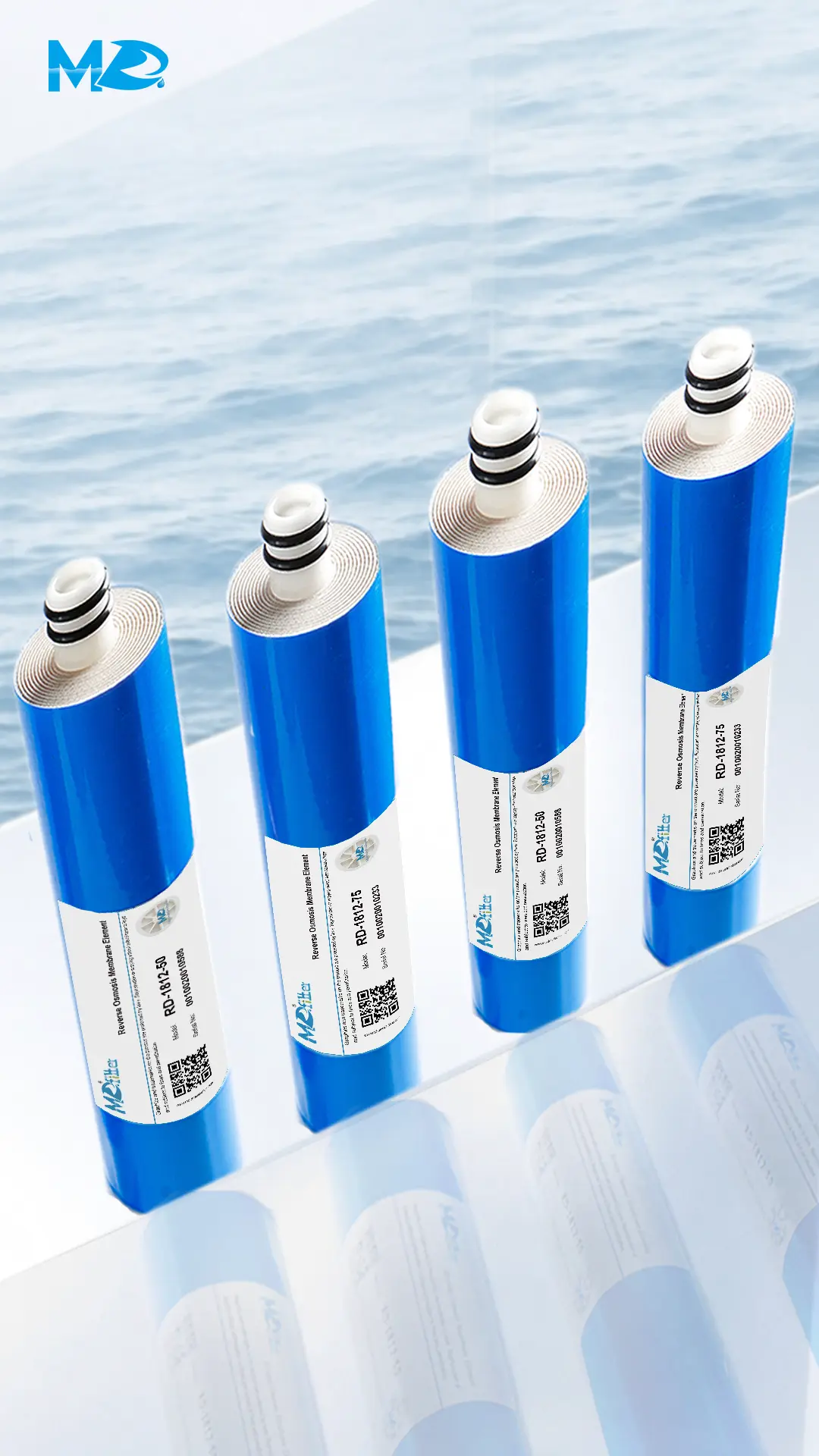
What Materials Are Commonly Used in RO Membranes?
RO membranes are typically made from several key materials:
Polyamide (PA): This is a widely used material due to its high rejection rates of contaminants and its durability. Polyamide membranes are known for their excellent water flux and high resistance to fouling.
Thin-Film Composite (TFC): TFC membranes consist of a thin film of polyamide on a porous support layer. This composite structure enhances membrane performance, providing high efficiency in contaminant removal.
Cellulose Acetate (CA): Although less common in modern systems, cellulose acetate was one of the first materials used in RO membranes. It is biodegradable and has a good track record in filtration applications.
Polyethylene (PE): In some RO membranes, a layer of polyethylene is used for added support and to improve membrane durability.
How Do These Materials Affect Membrane Performance?
RO membranes play a pivotal role in water purification by effectively removing contaminants through a semipermeable barrier. The choice of membrane material significantly impacts performance characteristics, influencing factors such as filtration efficiency, durability, and operational costs.
Polyamide (PA) Thin-Film Composite (TFC) Membranes: Polyamide TFC membranes are renowned for their high selectivity and permeability, making them ideal for desalination and high-purity water production. The thin polyamide layer allows water molecules to permeate while rejecting salts and contaminants. This selective filtration is crucial for achieving high recovery rates and maintaining water quality standards. However, polyamide membranes are susceptible to damage from chlorine and oxidative agents, necessitating proper pretreatment to extend their lifespan and preserve performance.
Cellulose Acetate (CA) Membranes: CA membranes offer advantages in chlorine tolerance and biological resistance. They are less affected by chlorine exposure compared to polyamide membranes, reducing pretreatment requirements and operational costs in municipal water treatment. CA membranes also exhibit resistance to biological fouling, making them suitable for applications where microbial growth is a concern. However, they generally have lower salt rejection rates than polyamide membranes, limiting their use in high-salinity water treatment.
Polyethylene (PE) Membranes: PE is used in some RO membrane constructions as a support layer or feed spacer rather than as the selective separation layer. Its chemical resistance and durability contribute to membrane stability in demanding applications, including industrial wastewater and aggressive feedwater sources, where resistance to harsh chemicals and high temperatures is required.
Impact on Performance: Material properties directly influence key performance metrics such as flux rate, salt rejection efficiency, and membrane lifespan. Polyamide membranes, with their high rejection rates and moderate flux, are favored for desalination where water purity is critical. CA membranes, with their chlorine tolerance and biological resistance, find application in municipal water treatment. PE components, known for robustness in harsh environments, are selected for industrial processes requiring chemical resistance and long-term reliability.
Applications and Considerations: Selecting the right membrane material involves balancing these performance factors with operational requirements and cost considerations. Each material's unique characteristics—selectivity, durability, fouling resistance, and chemical compatibility—must be evaluated to optimize RO system performance and ensure sustainable water treatment practices.
Are There Different Types of RO Membranes?
Yes, RO membranes come in various types and configurations to suit different applications:
Spiral-Wound Membranes: These are commonly used in residential and industrial water purification systems. They are compact and provide high filtration capacity.
Flat Sheet Membranes: Used in applications requiring specific shapes or sizes, flat sheet membranes are often found in laboratory settings or specialized systems.
Hollow Fiber Membranes: These membranes are used in systems where a high surface area is required in a compact space. They are commonly used in portable water filtration units.
Conclusion
In summary, the materials used in RO membranes play a significant role in determining their performance and suitability for various applications. Polyamide, thin-film composite, cellulose acetate, and polyethylene are the main materials, each offering distinct advantages. When choosing an RO membrane, consider the specific needs of your application and the performance characteristics of these materials.
Xi'an Membrane Desalination International Co., LTD. is a professional RO membrane manufacturer and supplier with a large inventory, complete certifications, fast delivery, and strict packaging. We support testing and offer OEM and ODM services. If you are selecting your own RO membrane, please contact us at info@md-desalination.com for more information and to request free samples.
References
1."Reverse Osmosis Membranes: Materials and Performance," Water Technology Magazine, 2023.
2."Materials Used in RO Membranes and Their Impact on Performance," Journal of Water Process Engineering, 2024.
3."Understanding Reverse Osmosis: Membrane Materials and Applications," American Water Works Association, 2022.