What is an RO membrane made of?
When it comes to water purification, the RO membrane plays a crucial role. Understanding what it is made of can help you make informed decisions about water filtration systems. In this article, we will delve into the components and materials that make up RO membranes, their significance, and how they work to ensure clean and safe drinking water.
What Materials Are Used in RO Membranes?
RO membranes are essential components in water purification systems, employing specific materials designed to facilitate the separation of contaminants from water. These membranes typically consist of advanced materials tailored for their unique filtration properties.
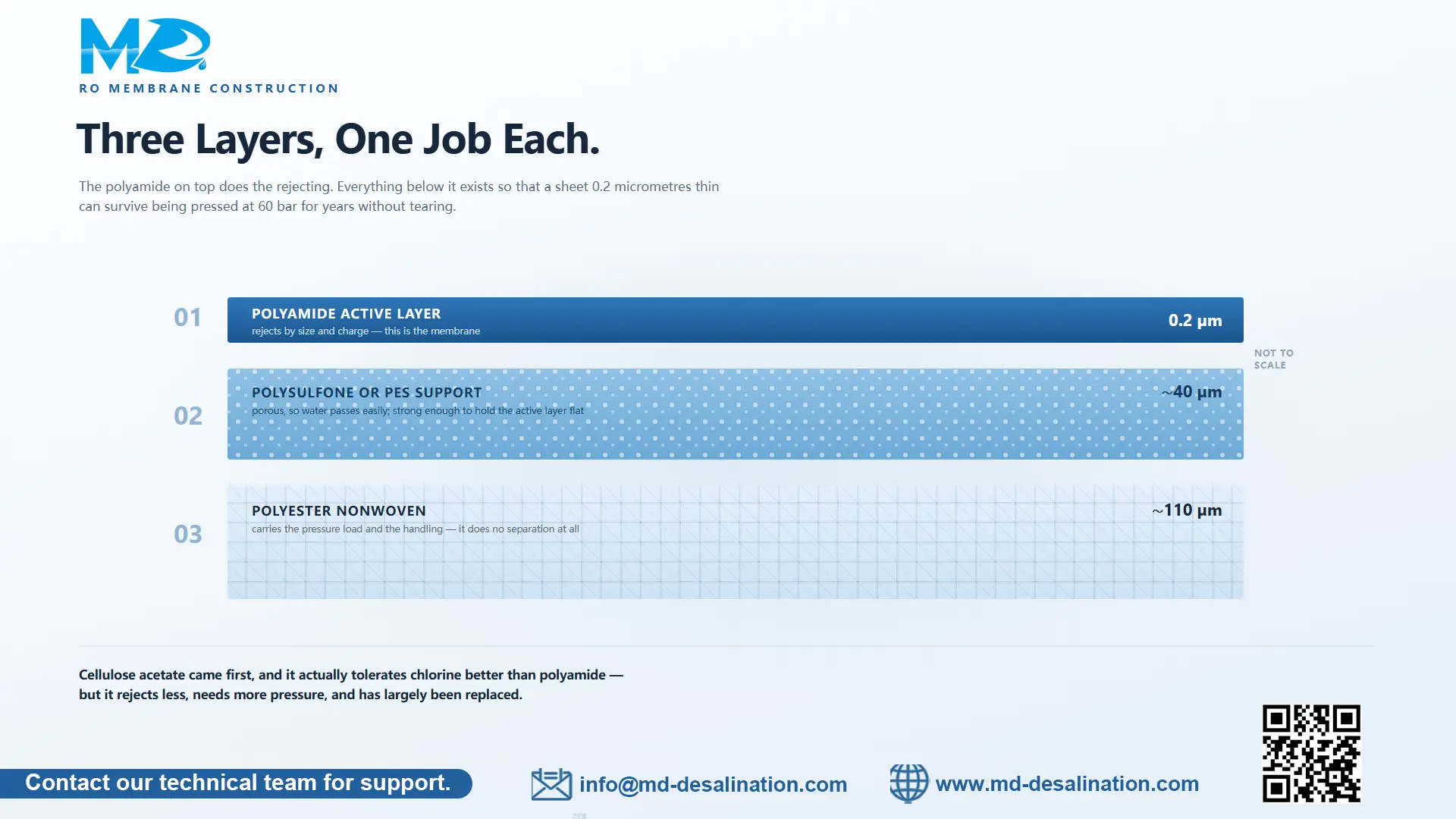
The most prevalent type of RO membrane today is the thin-film composite (TFC) membrane. TFC membranes are constructed with a thin polyamide layer deposited on a porous support layer, often made from materials such as polysulfone or polyethersulfone. This polyamide layer acts as the primary barrier, selectively allowing water molecules to pass through while rejecting dissolved salts and other contaminants based on size and charge.
In contrast, cellulose acetate membranes were historically used but have largely been replaced by TFC membranes due to their lower efficiency and susceptibility to degradation from chlorine exposure. Cellulose acetate membranes operate on a different principle of permeation, relying on a blend of cellulose acetate and other polymers to filter contaminants.
The selection of membrane material is crucial as it directly impacts the efficiency, durability, and maintenance requirements of RO systems. Advanced research continues to explore new materials and membrane designs to enhance filtration efficiency, reduce energy consumption, and improve the overall performance of RO membranes in diverse water treatment applications.
How Does the Construction Affect Performance?
Firstly, the type of membrane material used significantly impacts performance. Thin-film composite (TFC) membranes, for example, are widely preferred for their superior permeability and rejection capabilities compared to earlier cellulose acetate membranes. This dual-layer structure allows for selective permeation of water molecules while effectively blocking contaminants such as dissolved salts and particulates.
Secondly, the thickness and uniformity of the membrane layers are critical. Thinner polyamide layers in TFC membranes enhance water permeability, reducing energy consumption during operation. The integrity and smoothness of these layers also affect resistance to fouling, a common issue that can impair membrane performance over time.
Furthermore, the geometry of the membrane, including its surface area and module design, influences throughput and operational efficiency. Larger membrane surfaces increase water production rates, making them suitable for industrial applications where high volumes of purified water are required.
Are There Different Types of RO Membranes for Various Applications?
Yes, RO membranes come in various types tailored for specific applications. For example, residential membranes are designed for home water purification systems, while industrial membranes are built for larger-scale operations. There are also membranes specifically designed for brackish water or seawater desalination. Choosing the right type of RO membrane depends on the water quality, volume, and the specific contaminants you need to address.
How Often Should RO Membranes Be Replaced?
Determining the optimal replacement schedule for RO membranes involves considering several factors that influence their longevity and performance. Typically, RO membranes are replaced based on indicators such as changes in water quality, operational efficiency, and maintenance records.
The frequency of replacement depends largely on the quality of feed water and the operational conditions of the RO system. In environments with high levels of contaminants or variable water quality, membranes may need more frequent replacement to maintain optimal performance. Conversely, in controlled environments with consistent water quality, membranes may last longer between replacements.
Monitoring performance indicators such as permeate flow rate and pressure differentials across the membrane elements helps determine when replacement is necessary. A decline in permeate flow rate or an increase in pressure drop indicates potential fouling or degradation of the membrane, signaling the need for inspection and possibly replacement.
Manufacturer recommendations and historical performance data also guide replacement intervals. Typically, RO membranes in commercial and industrial settings are replaced every 2 to 5 years, depending on usage and maintenance practices. Regular maintenance, including cleaning and chemical treatment, can extend membrane life by mitigating fouling and scaling issues that contribute to premature replacement.
Conclusion
Understanding what an RO membrane is made of helps in choosing the right water filtration system for your needs. The materials used in RO membranes, such as polyamide in thin-film composite membranes, play a significant role in their effectiveness. Whether you need a membrane for residential use, industrial applications, or desalination, knowing the specifics can guide you in selecting the best option.
Looking for High-Quality RO Membranes?
If you are searching for high-quality RO membranes with large inventory, complete certifications, fast delivery, and secure packaging, contact Xi'an Membrane Desalination International Co., Ltd. We support testing and offer comprehensive OEM and ODM services. If you are selecting your own RO membrane, please reach out to us at info@md-desalination.com to request free samples or discuss your specific needs.
References
1. Giese, R.L. Water Treatment and Purification: A Comprehensive Guide. CRC Press.
2. Reverse Osmosis Technology: Fundamentals and Applications. Springer.
3. Baker, R.W. Membrane Technology and Applications: A Practical Guide. John Wiley & Sons.