what is Reverse Osmosis?
Reverse osmosis (RO) is a water purification process that has gained massive popularity due to its effectiveness in removing impurities from water.
Reverse osmosis (RO) is a water purification process that uses a semipermeable membrane to remove impurities from water. It works by applying pressure to a solution (usually water) on one side of the membrane, forcing water molecules to pass through while blocking larger molecules and contaminants.
· Dissolved Salts: Reverse osmosis is particularly effective at removing dissolved salts from water, including common ions like sodium, chloride, calcium, magnesium, and potassium. This makes RO systems especially valuable for the desalination of seawater and brackish water.
· Heavy Metals: RO membranes can effectively remove heavy metals such as lead, arsenic, cadmium, mercury, and chromium from water. These metals can pose serious health hazards if consumed in high concentrations.
· Organic Compounds: Various common contaminants—including pesticides, herbicides, volatile organic compounds (VOCs), pharmaceuticals, and industrial chemicals—can be removed by reverse osmosis. These substances can adversely affect water quality and human health.
· Bacteria and Viruses: RO membranes have pore sizes small enough to block bacteria, viruses, and other microorganisms from passing through. This helps ensure that the purified water is microbiologically safe for drinking.
· Dissolved Solids: In addition to salts and minerals, reverse osmosis can remove various other dissolved solids and contaminants from water, such as fluoride, nitrates, sulfates, and other inorganic compounds.
· Turbidity and Suspended Particles: While not its primary function, RO can also reduce turbidity and remove suspended particles from water. However, pre-filtration is typically used to minimize membrane fouling.
Reverse osmosis is a highly effective method for producing high-quality, purified drinking water by removing a wide range of contaminants. It is widely used in residential, commercial, and industrial applications, including drinking water purification, seawater and brackish water desalination, and wastewater treatment.
Understanding the Process
Reverse osmosis works on the principle of selectively allowing certain substances to pass through a semipermeable membrane while blocking others. This semipermeable membrane acts as a barrier, allowing only water molecules to pass through while rejecting contaminants such as salts, minerals, and other impurities. The process involves applying pressure to the water, forcing it through the membrane, and leaving behind purified water on one side and a concentrated solution of contaminants on the other.
The Components of a Reverse Osmosis System
A typical reverse osmosis system consists of several key components working together to produce purified water. These include a pre-filter, a semipermeable membrane, a pressure pump, a post-filter, and a storage tank. The pre-filter removes large particles and sediments, protecting the delicate membrane from damage. The semipermeable membrane is the heart of the system, selectively allowing water molecules to pass through while rejecting contaminants. The pressure pump applies the necessary pressure to overcome osmotic pressure and facilitate the flow of water through the membrane. The post-filter further polishes the water, removing any remaining impurities before it is stored in the tank for use.
Applications of Reverse Osmosis
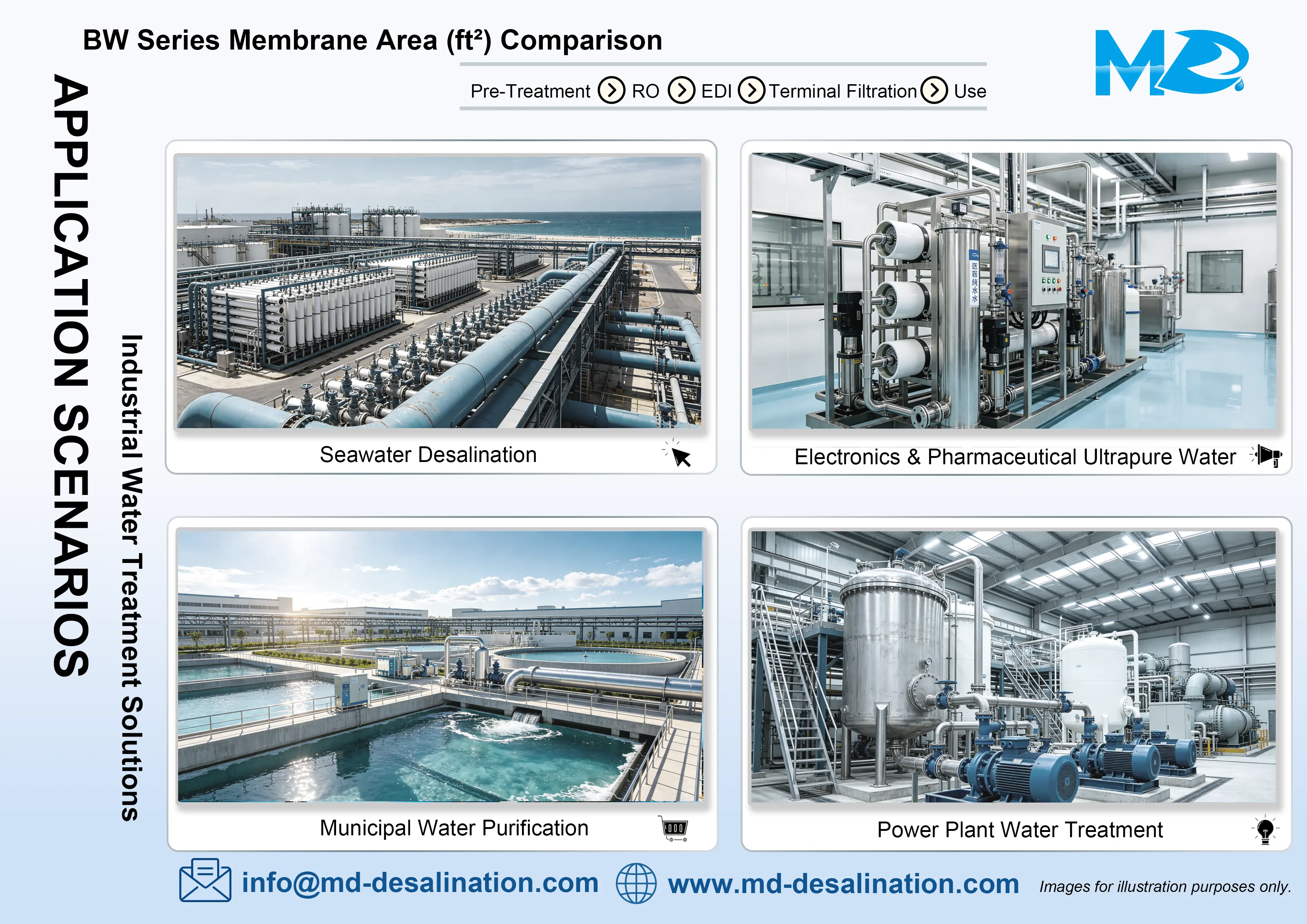
The versatility of reverse osmosis makes it suitable for various applications, ranging from residential to industrial settings. In homes, RO systems are commonly used for purifying drinking water, providing households with a convenient and reliable source of clean water. Furthermore, reverse osmosis plays a crucial role in desalination plants, where it helps convert seawater into potable water by removing salt and other dissolved solids. Additionally, industries utilize reverse osmosis for processes such as wastewater treatment, food and beverage production, and pharmaceutical manufacturing.
Benefits of Reverse Osmosis
One of the primary benefits of reverse osmosis is its ability to produce high-quality drinking water free from contaminants. By removing impurities such as lead, chlorine, fluoride, and bacteria, RO systems ensure that the water meets stringent quality standards and tastes fresh and pure. Moreover, reverse osmosis is a cost-effective solution for water purification, as it eliminates the need for bottled water and reduces dependence on expensive filtration methods. Additionally, RO systems are relatively easy to maintain and require minimal upkeep compared to other water treatment systems.
Environmental Impact
In today’s environmentally conscious world, the environmental impact of water purification processes cannot be overlooked. Reverse osmosis offers significant environmental benefits compared to alternatives such as bottled water. By opting for an RO system, individuals can reduce plastic waste generated from single-use water bottles, contributing to a healthier planet. Furthermore, the energy efficiency of reverse osmosis systems continues to improve, minimizing their carbon footprint and conserving energy resources.
Limitations and Considerations
While reverse osmosis offers numerous benefits, it is essential to acknowledge its limitations. One of the primary concerns associated with RO systems is the wastage of water during the purification process. For every gallon of purified water produced, a considerable amount of wastewater is generated, which may pose challenges in areas facing water scarcity. Additionally, reverse osmosis removes not only harmful contaminants but also beneficial minerals present in water, potentially leading to mineral deficiencies in individuals who rely solely on RO water for drinking.
Maintenance and Upkeep
Proper maintenance and upkeep are crucial for ensuring the optimal performance and longevity of reverse osmosis systems. Regularly replacing filters and membranes is essential to prevent the buildup of contaminants and maintain water quality. Additionally, periodic cleaning and sanitization help prevent bacterial growth and prolong the life of the RO system. By adhering to recommended maintenance practices, users can ensure that their RO systems continue to provide clean and safe drinking water for years to come.
Conclusion
In conclusion, reverse osmosis is a highly effective water purification process that offers numerous benefits in terms of water quality, convenience, and environmental impact. From residential drinking water systems to large-scale industrial applications, RO technology plays a vital role in ensuring access to clean and safe drinking water worldwide. However, it is essential to weigh the benefits against the limitations and considerations associated with reverse osmosis to make informed decisions regarding its implementation.
Looking for high-quality RO membranes?
At Xi'an Membrane Desalination International Co., Ltd., we manufacture reliable RO membranes for residential, commercial, and industrial applications. Contact us at info@md-desalination.com to request free samples or discuss your specific water treatment requirements.
References
1. Water Research Center. "Reverse Osmosis." https://www.water-research.net/reverseosmosis
2. World Health Organization. "Drinking Water Treatment Technology." https://www.who.int/teams/environment-climate-change-and-health/water-sanitation-and-health
3. U.S. Environmental Protection Agency. "Reverse Osmosis Treatment." https://www.epa.gov/dwreginfo/reverse-osmosis-treatment