How to remove scale from ro membrane?
Removing scale from RO membranes is essential for maintaining their efficiency and longevity in water purification systems. Scale buildup, primarily composed of minerals like calcium and magnesium, poses significant challenges by reducing water flow rates and decreasing overall system performance. Addressing scale promptly not only restores optimal filtration but also extends the lifespan of expensive membrane components.
Effective scale removal involves a combination of chemical treatments, mechanical methods, and preventive measures. Chemical cleaning with specialized agents such as citric acid or hydrochloric acid dissolves mineral deposits without harming the delicate membrane surface. These cleaners are carefully circulated through the system according to manufacturer guidelines to ensure thorough removal.
Mechanical methods, such as gentle brushing or scrubbing, may be employed to dislodge stubborn deposits that chemical cleaners alone cannot dissolve. However, these methods require caution to prevent damage to the membrane surface.
Preventive maintenance plays a crucial role in scale management. Proper pre-treatment of feed water, including filtration to remove particulates and softening to reduce hardness, minimizes scale formation. Regular monitoring of system performance allows for timely intervention before scale buildup compromises filtration efficiency.
In essence, proactive scale removal not only enhances the performance of RO membranes but also optimizes operational costs by reducing energy consumption and extending the intervals between membrane replacements. This article explores in detail the methods and best practices for effectively removing scale from RO membranes, ensuring sustained high-quality water production.
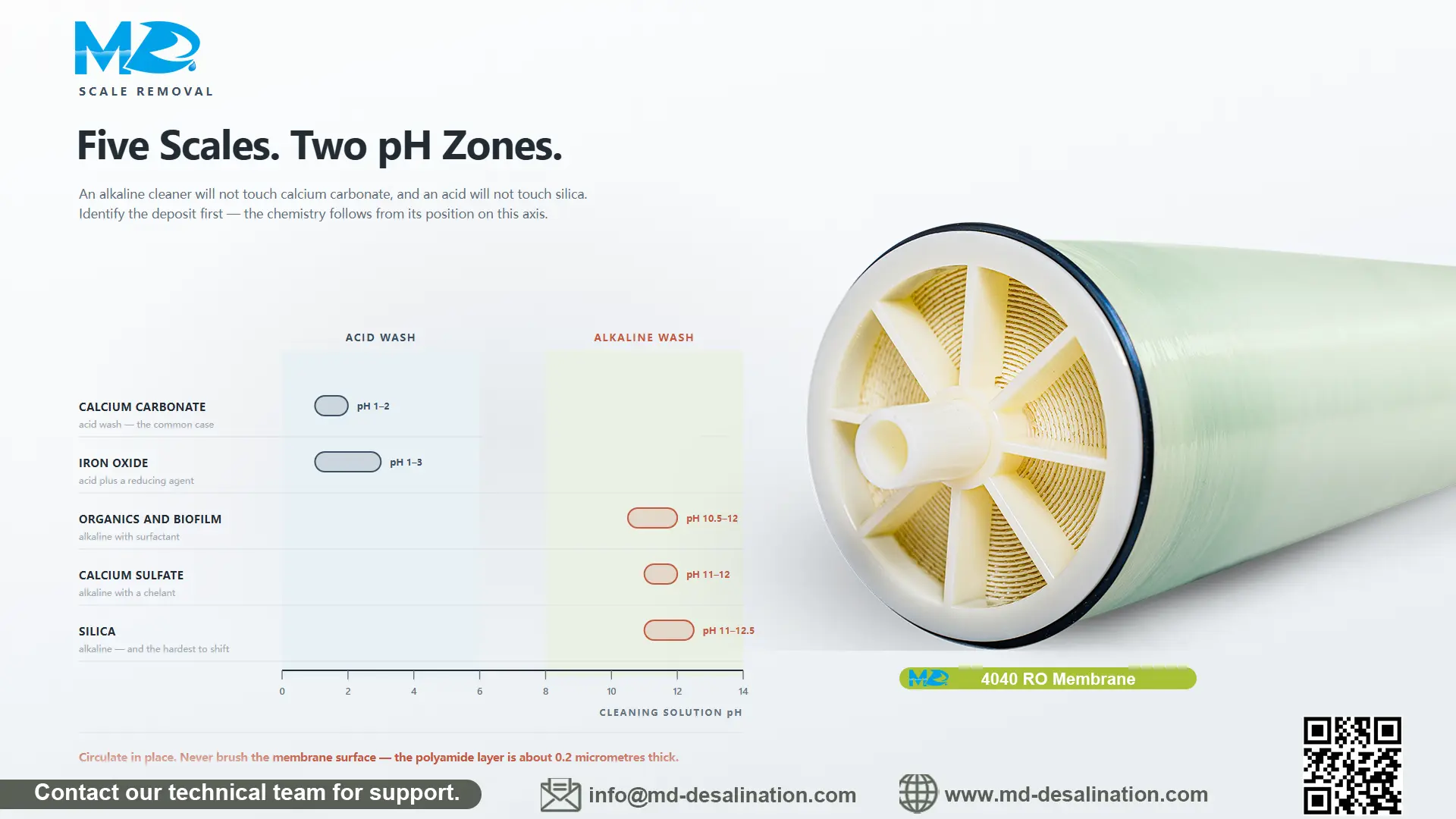
Understanding the Types of Scale
Before diving into the cleaning process, it is essential to understand the different types of scale that can affect your RO membrane:
1. Calcium Carbonate Scale: A common issue, particularly in areas with hard water. This type of scale appears as a white, chalky deposit.
2. Calcium Sulfate Scale: Forms when calcium and sulfate ions combine. It tends to be more challenging to remove than calcium carbonate.
3. Iron Oxide Scale: Often resulting from iron in the water, creating reddish-brown deposits. This type of scale can be particularly stubborn.
Cleaning Methods for RO Membranes
Effective cleaning of RO membranes requires using the right methods and chemicals. Here is a step-by-step guide:
1. Pre-Cleaning Inspection
Before you begin, inspect the RO membrane for visible damage. If the membrane is torn or otherwise compromised, it may need to be replaced.
2. Selecting Cleaning Chemicals
Choose cleaning agents based on the type of scale. Common options include:
· Acidic Cleaners: For calcium carbonate and iron oxide scales.
· Alkaline Cleaners: For organic fouling and some types of calcium sulfate scales.
3. Preparing the Cleaning Solution
Mix the cleaning chemical with water according to the manufacturer’s instructions. Ensure the solution is well-dissolved and properly diluted.
4. Cleaning Process
· Bypass the System: Turn off the system and bypass the RO membrane so it can be cleaned separately.
· Apply the Solution: Pump the cleaning solution through the RO membrane at the recommended flow rate and pressure.
· Soak Time: Allow the solution to sit for the recommended time, usually 30 minutes to an hour, to effectively dissolve the scale.
· Rinse Thoroughly: After soaking, rinse the membrane with clean water to remove any residual cleaning solution.
5. Post-Cleaning Inspection
Once cleaned, inspect the RO membrane again to ensure that all scale has been removed. Check for any signs of damage or remaining deposits.
Frequently Asked Questions
Q1: How often should I clean my RO membrane?
A: The frequency of cleaning depends on your water quality and system usage. Typically, cleaning every 6 to 12 months is recommended.
Q2: Can I use household cleaners to clean my RO membrane?
A: No, household cleaners are not suitable for RO membranes. Use specialized cleaning agents designed for reverse osmosis systems.
Q3: What should I do if the cleaning doesn’t remove all the scale?
A: If the scale persists, consider using a different cleaning solution or contacting a professional for assistance. Sometimes, repeated cleaning may be necessary.
Q4: How can I prevent scaling on my RO membrane?
A: Regular maintenance, proper pretreatment of water, and using a water softener can help prevent scaling issues.
Conclusion
Maintaining a clean RO membrane is essential for the efficient operation of your reverse osmosis system. By following the steps outlined above and using the right cleaning agents, you can effectively remove scale and prolong the life of your membrane. Regular inspection and maintenance will ensure that your RO system continues to provide high-quality purified water.
Looking for high-quality and durable RO membranes?
At Xi'an Membrane Desalination International Co., Ltd., we specialize in manufacturing premium RO membranes designed for maximum fouling and scaling resistance. With large inventory, complete certifications, and fast delivery, we support testing and offer OEM/ODM services. Contact us at info@md-desalination.com for expert advice and free samples.
References
1. Water Quality Association. "Reverse Osmosis." https://www.wqa.org/learn-about-water/common-contaminants/contaminants-a-to-z/reverse-osmosis
2. U.S. Environmental Protection Agency. "Drinking Water Treatment Technology." https://www.epa.gov/ground-water-and-drinking-water
3. Lenntech. "Membrane Cleaning and Maintenance." https://www.lenntech.com/processes/reverse-osmosis/membrane-cleaning.htm