What Does Reverse Osmosis Remove?
As a renowned method for water purification, reverse osmosis (RO) is widely utilized across different industries and households. Its effectiveness in removing impurities from water is well-documented.
Reverse osmosis (RO) is a highly effective water filtration process that can remove a wide range of contaminants from water. Some of the substances commonly removed by reverse osmosis include:
· Dissolved Salts: Reverse osmosis is especially effective at removing dissolved salts from water, including common ions like sodium, chloride, calcium, magnesium, and potassium. This makes RO systems particularly valuable for the desalination of seawater and brackish water.
· Heavy Metals: RO membranes can effectively remove heavy metals such as lead, arsenic, cadmium, mercury, and chromium from water. These metals can pose serious health hazards if consumed in high concentrations.
· Organic Compounds: Many organic contaminants—including pesticides, herbicides, volatile organic compounds (VOCs), pharmaceuticals, and industrial chemicals—can be removed by reverse osmosis. These substances can adversely affect water quality and human health.
· Bacteria and Viruses: RO membranes have pore sizes small enough to block bacteria, viruses, and other microorganisms from passing through. This helps ensure that the purified water is microbiologically safe for drinking.
· Dissolved Solids: In addition to salts and minerals, reverse osmosis can remove various other dissolved solids and pollutants from water, such as fluoride, nitrates, sulfates, and other inorganic compounds.
· Turbidity and Suspended Particles: While not its primary function, RO can also reduce turbidity and remove suspended particles from water, although pre-filtration is typically used to minimize membrane fouling.
Overall, reverse osmosis is one of the most compelling strategies for creating high-quality, filtered drinking water by removing a wide range of contaminants. It is broadly utilized in residential, commercial, and industrial settings. However, it is vital to note that while RO is highly effective, no water treatment process is perfect, and some contaminants may still be present depending on the specific system design and operating conditions.
Understanding Reverse Osmosis
Reverse osmosis is a water purification process that utilizes a semipermeable membrane to remove ions, molecules, and larger particles from water. The principle of reverse osmosis relies on applying pressure to overcome natural osmotic pressure, forcing water through the membrane while leaving contaminants behind. This process effectively removes impurities, making it a popular choice for producing clean, potable water.
The Components of an RO System
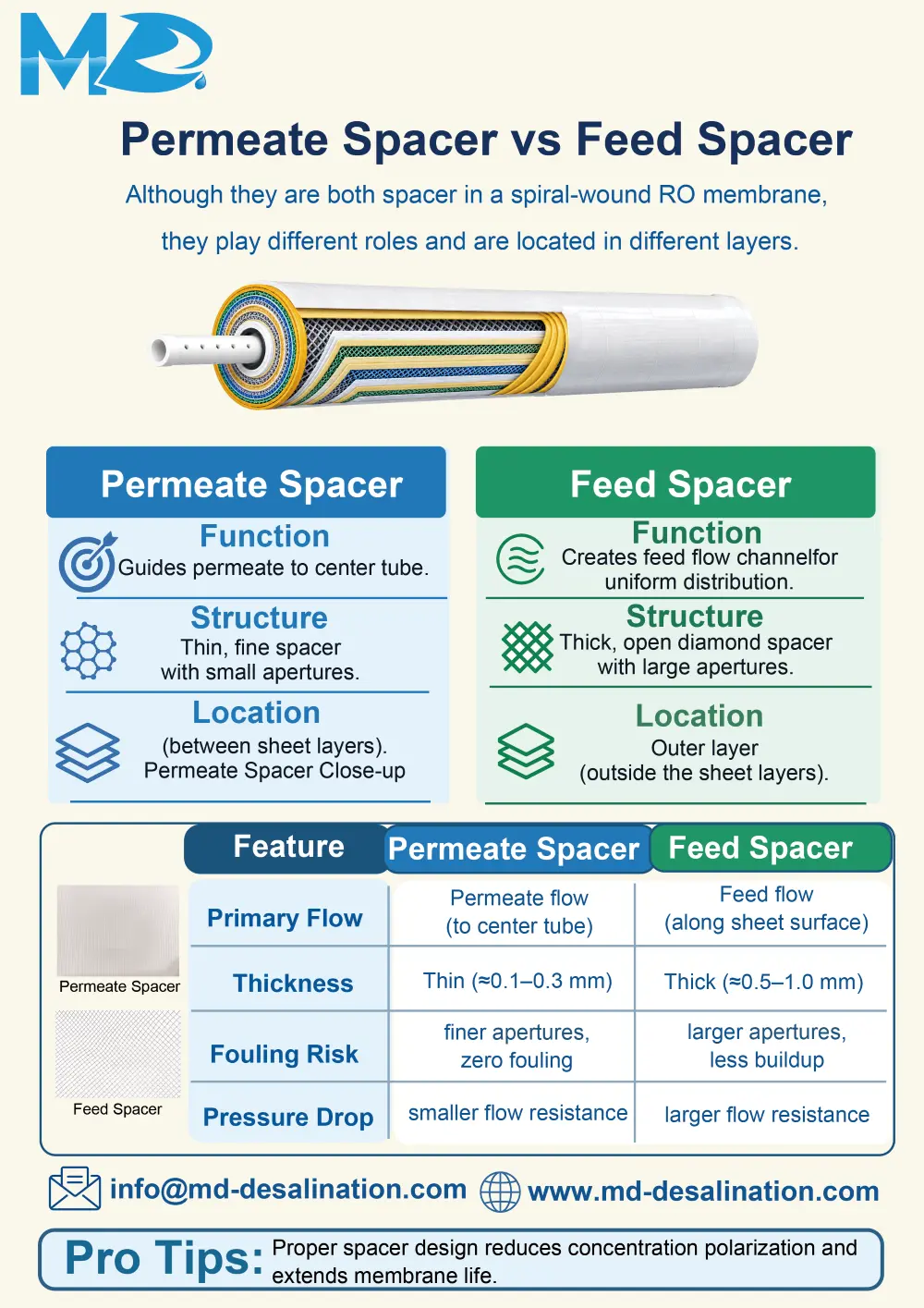
A typical RO system consists of several key components working together: a pre-filter (removes large particles and protects the membrane), a pressure pump (applies pressure to overcome osmotic pressure), the semipermeable membrane (the heart of the system that rejects contaminants), a post-filter (polishes the water), and a storage tank.
Applications of Reverse Osmosis
Reverse osmosis finds extensive applications across diverse sectors. In residential settings, RO systems are commonly installed to improve the quality of drinking water and enhance taste and odor. Moreover, reverse osmosis plays a crucial role in industrial processes such as desalination, wastewater treatment, food and beverage production, pharmaceutical manufacturing, and electronics manufacturing.
Benefits of Reverse Osmosis
The adoption of reverse osmosis offers numerous benefits. It provides an efficient and reliable method for removing a wide range of contaminants. Additionally, RO systems are relatively low-maintenance compared to other technologies and eliminate the need for chemical additives, reducing the environmental impact associated with water treatment.
Limitations and Considerations
While reverse osmosis is highly effective, it is essential to consider its limitations. One drawback of RO systems is their relatively slow filtration rate compared to other methods, leading to lower water production efficiency. Moreover, reverse osmosis may remove essential minerals from water, affecting its taste. To address this issue, some RO systems incorporate remineralization stages to reintroduce beneficial minerals. Additionally, the initial investment and operating costs of RO systems can be higher, although long-term benefits often outweigh these expenses.
Conclusion
In conclusion, reverse osmosis stands as a proven and reliable method for water purification, capable of removing a wide range of contaminants to produce clean and safe drinking water. Its applications span across residential, commercial, and industrial sectors. Overall, reverse osmosis remains a cornerstone in the quest for clean and accessible water resources.
Looking for high-quality RO membranes?
At Xi'an Membrane Desalination International Co., Ltd., we manufacture reliable RO membranes for residential, commercial, and industrial applications. Contact us at info@md-desalination.com to request free samples or discuss your specific water treatment requirements.
References
1. Water Quality Association. "Reverse Osmosis." https://www.wqa.org/learn-about-water/perceptible-issues/reverse-osmosis
2. U.S. Environmental Protection Agency. "Drinking Water Treatment." https://www.epa.gov/ground-water-and-drinking-water/drinking-water-treatment
3. National Institute of Environmental Health Sciences. "Water Quality and Health Council: Water Purification: Reverse Osmosis." https://www.niehs.nih.gov/health/topics/agents/water-quality/index.cfm#reverse