What is RO membrane material?
In the field of water filtration and purification, Reverse Osmosis (RO) technology stands as a benchmark of efficiency and reliability. At the heart of this process lies the RO membrane, a critical component responsible for separating contaminants from water.
Reverse osmosis (RO) membranes are typically made from engineered polymer materials designed to have specific properties suitable for separating water from contaminants. The most common type of material used for RO membranes is thin-film composite (TFC).
Thin-film composite membranes usually consist of multiple layers, each with a specific function:
· Polyamide Thin Film: The active layer of the RO membrane is made from a thin film of polyamide. This layer is responsible for the selective permeation of water molecules while rejecting dissolved salts, minerals, and other contaminants. The polyamide layer is vital for achieving high rejection rates and producing purified water.
· Support Layer: Beneath the polyamide layer, there is a support layer made from a porous substrate fabric (typically polysulfone). This layer provides mechanical support to the thin polyamide film and helps maintain structural integrity during operation. The support layer also enhances water flow through the membrane.
The combination of the thin polyamide active layer and the porous support layer gives TFC membranes their high efficiency and durability in separating water from contaminants through the process of reverse osmosis.
Other materials used in RO membrane manufacturing may include polysulfone or polyethersulfone for the support layer, as well as various coatings or surface modifications to improve membrane performance and fouling resistance.
Overall, the choice of membrane material is critical for achieving the desired separation effectiveness, strength, and performance of RO membranes in water filtration applications. Thin-film composite membranes are the most commonly used type due to their high rejection rates, excellent permeability, and reliability in producing high-quality purified water.
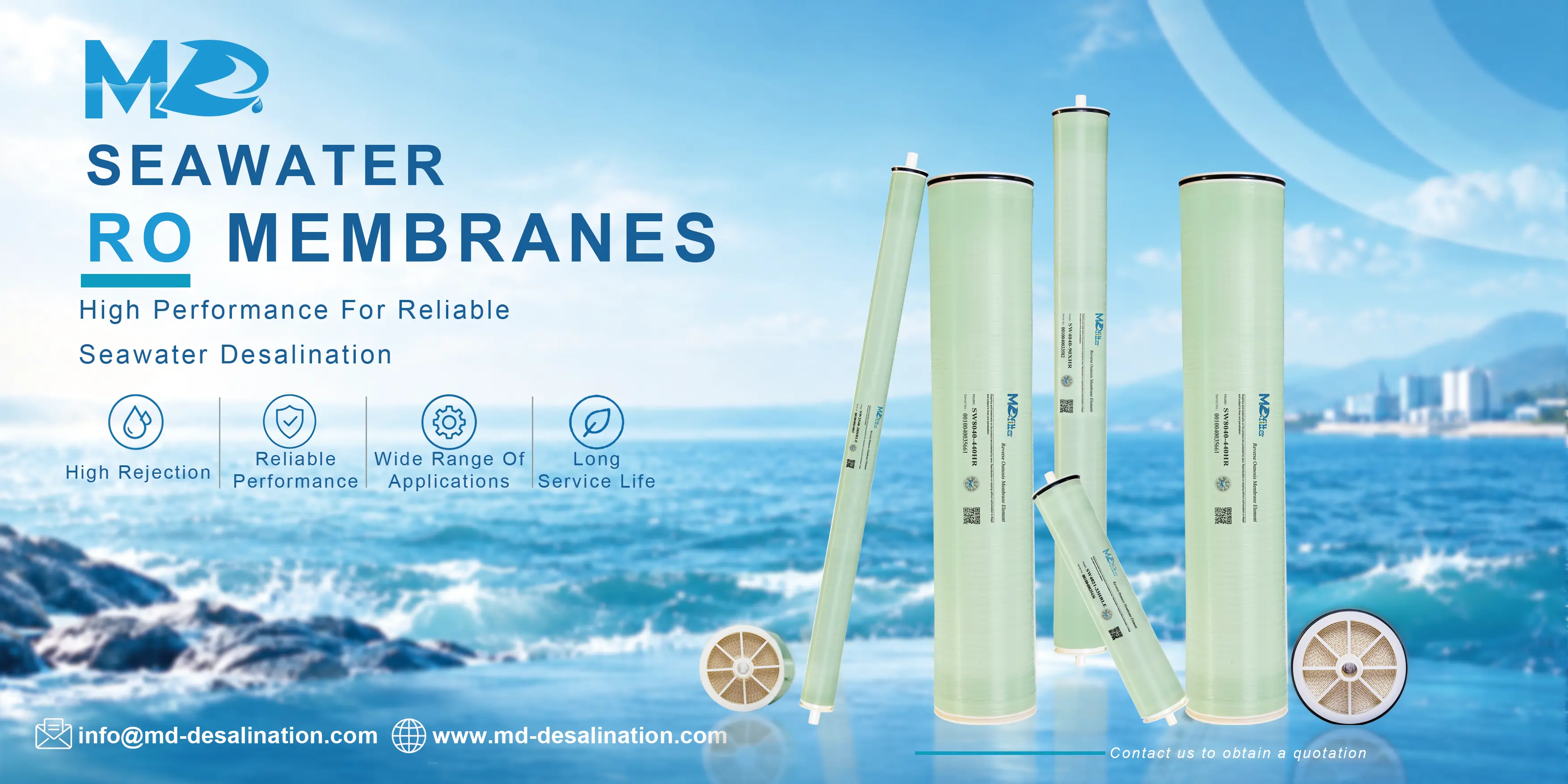
Understanding Reverse Osmosis Membranes
Reverse Osmosis (RO) is a widely adopted technology for purifying water by pushing it through a semipermeable membrane to remove impurities. This process relies on the principle of osmosis, where water naturally moves from an area of low solute concentration to an area of high solute concentration. However, in reverse osmosis, pressure is applied to overcome this natural flow, forcing water through the membrane against the concentration gradient. The result is purified water on one side of the membrane and concentrated impurities on the other.
Composition of RO Membrane Material
The composition of RO membrane material is crucial to its effectiveness in water purification. These membranes are typically made from synthetic polymers, with the most common materials being thin-film composite (TFC), cellulose acetate, and polysulfone. Thin-film composite membranes consist of multiple layers, including a thin, dense barrier layer responsible for rejecting contaminants, supported by a porous substructure for mechanical strength. This composite structure enhances durability and efficiency, making TFC membranes the preferred choice in most RO systems.
Properties of RO Membrane Material
The success of RO technology hinges on the properties of the membrane material. Key characteristics include permeability, selectivity, and durability. Permeability refers to the membrane's ability to allow water molecules to pass while blocking contaminants. Selectivity is the membrane's capacity to discriminate between different molecules based on size and charge, ensuring only water molecules traverse while rejecting ions, organics, and other impurities. Additionally, durability is paramount to withstand prolonged exposure to water pressure, chemicals, and fouling agents, maintaining long-term performance and reliability.
Types of RO Membrane Materials
RO membranes come in various types, each tailored to specific water treatment applications.
· Thin-Film Composite (TFC): TFC membranes dominate the market due to their superior performance and versatility. They consist of multiple layers, including an ultra-thin polyamide active layer supported by a porous substrate. TFC membranes offer excellent permeability, high rejection of dissolved solids, and resistance to fouling, making them ideal for desalination, drinking water purification, and industrial processes.
· Cellulose Acetate (CA): CA membranes were among the earliest types of membranes used in RO systems. They are hydrophilic (having an affinity for water) and relatively less expensive. However, they may have lower rejection rates and are more prone to degradation, though they are still used in certain niche areas such as pharmaceutical manufacturing.
· Polyethersulfone (PES) and Polysulfone (PS): PES and PS are known for their high chemical and thermal stability, making them suitable for harsh operating conditions. They offer excellent resistance to fouling and are often used as the porous support layer in TFC membranes or in applications where extreme durability is essential.
· Polyvinylidene Fluoride (PVDF): PVDF is known for its excellent chemical resistance and mechanical strength. While primarily used for ultrafiltration (UF) and microfiltration (MF), PVDF materials are also explored for challenging water sources where corrosion and fouling resistance are crucial.
Importance of Membrane Material Selection
The selection of RO membrane material is a critical decision that directly impacts the efficiency and effectiveness of water treatment processes. Factors such as water quality, operating conditions, and desired water output influence the choice of membrane material. For instance, in seawater desalination projects, where high salt rejection is paramount, TFC membranes are preferred for their exceptional performance. Conversely, in applications where extreme chemical resistance is crucial, such as specific industrial wastewater treatments, PES or PVDF membranes may be considered.
Advances in Membrane Technology
The field of membrane technology continues to evolve, driven by ongoing research and development efforts aimed at enhancing performance and sustainability. Advances in membrane fabrication techniques, such as nanotechnology and molecular engineering, hold promise for improving membrane efficiency, selectivity, and durability. Furthermore, innovations in membrane surface modification and fouling mitigation strategies contribute to extending membrane lifespan and reducing maintenance requirements, thereby lowering operational costs and environmental impact.
Conclusion
In conclusion, RO membrane material is a fundamental component of reverse osmosis technology, playing a pivotal role in water purification and filtration processes. Understanding the composition, properties, and types of membrane materials is essential for selecting the most suitable option for specific applications. As technology advances, the quest for more efficient, durable, and sustainable membrane materials continues, driving progress in the field of water treatment and ensuring access to clean and safe drinking water for generations to come.
Need professional advice on RO membrane selection?
At Xi'an Membrane Desalination International Co., Ltd., we manufacture high-quality RO membranes using advanced TFC technology. Our technical team can help you select the optimal membrane for your specific water conditions. Contact us at info@md-desalination.com for product specifications or OEM inquiries.
References
1. Water Quality Association. "Reverse Osmosis." https://www.wqa.org/learn-about-water/common-contaminants/contaminants-a-to-z/reverse-osmosis
2. U.S. Environmental Protection Agency. "Reverse Osmosis Drinking Water Treatment." https://www.epa.gov/ground-water-and-drinking-water
3. ScienceDirect. "Thin-Film Composite Membranes for Water Purification." https://www.sciencedirect.com/topics/engineering/thin-film-composite-membrane